
LYTHAM DRAINS
Drain Repairs in Lytham St Annes
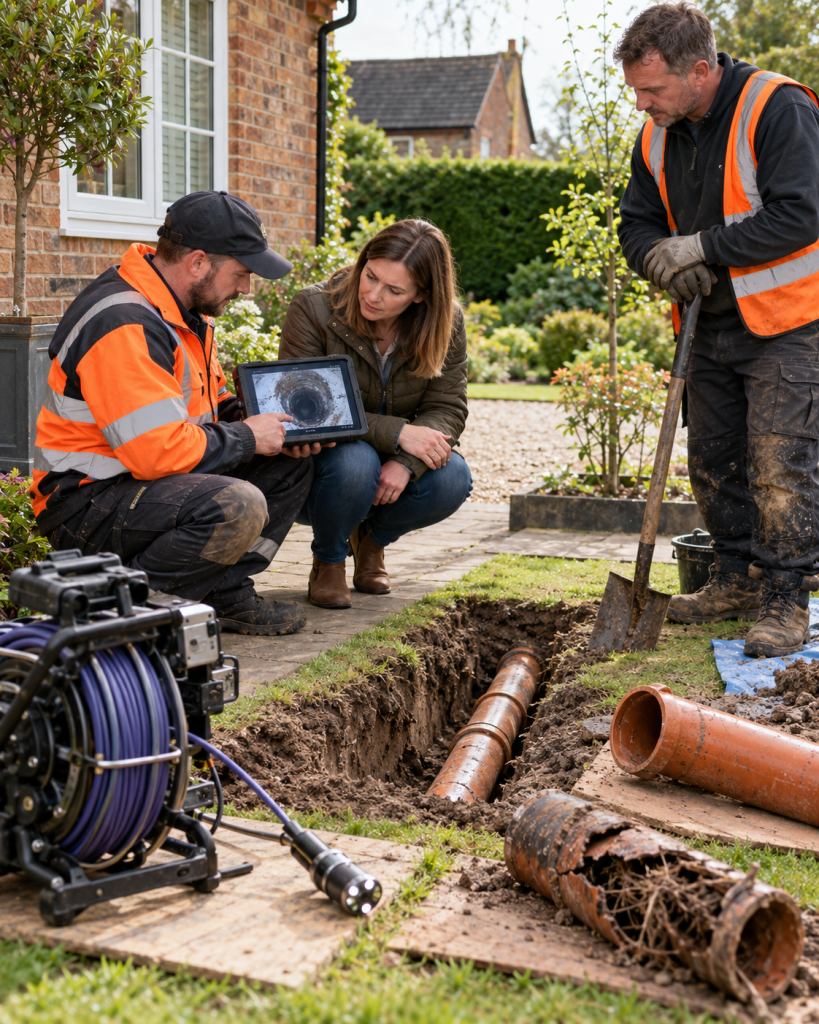
When a drain keeps blocking, leaks or starts to disturb the ground around it, cleaning on its own will not solve the problem. Lytham Drains investigates and repairs damaged drainage for homeowners, landlords and businesses in Lytham, St Annes and the surrounding Fylde coast. The first step is always to find the fault and understand how serious and widespread it is, so the repair goes exactly where it is needed. Symptoms alone cannot tell you whether a pipe is cracked, displaced or collapsed, which is why a CCTV drain survey or other inspection usually comes first. We then talk you through what we found, the work involved and any access requirements before a drain repair goes ahead.
SIGNS OF DAMAGE
Does Your Drain Need Repairing?
A drain that blocks again soon after it has been cleared often has a damaged section that catches waste. Lingering sewer smells, damp patches that never dry, a dip in the ground above a drain run or water backing up time after time are all worth investigating. Tree roots that find their way into an old joint keep growing inside the pipe and make the damage steadily worse.
None of these signs is proof of damage on its own. A slow drain could still be caused by a blockage that simply needs clearing. We inspect your drains first to find out what is really happening before recommending excavation, replacement or relining. That avoids unnecessary work and keeps every decision based on evidence.
- A drain that keeps on blocking
- Leaks or damp patches that will not dry out
- Recurring sewer smells
- Tree roots found during drain cleaning
- A cracked or displaced section seen on CCTV
- Poor flow even after the drain is cleared
- Collapsed or badly broken pipework
- Ground movement along the drain run
- Older pipes that have corroded or worn
- Water backing up into sinks, toilets or gullies
- Subsidence around a drain or manhole
TYPES OF DAMAGE
What Goes Wrong Underground?
Drain pipes crack as the ground settles, joints shift out of line and older clay sections slowly break down, particularly in the sandy, shifting soils found along the coast. Heavy vehicles, poor original workmanship and tree roots can all take their toll. A collapse is the most serious defect, as it can restrict the flow or stop it altogether. Minor defects and major failures need very different solutions.
Finding the exact fault is essential. Without a proper inspection, it is easy to dig in the wrong place or keep paying for cleaning that never fixes the cause. CCTV footage shows the condition of the pipe and the precise location of any defects, although some drains need clearing first so the camera can travel through.
- Cracked pipes and broken joints
- Displaced pipe sections
- Joints damaged by tree roots
- Collapsed drain pipes
- Misaligned or deteriorating drains
- Fractured or split pipework
- Sunken or dipped drain runs
- Damaged manholes and inspection chambers
- Failed seals at pipe connections
- Pipes weakened by age or ground movement
INSPECTION FIRST
How We Assess Your Drains
We start with the symptoms, any history of previous blockages and any available plans of the drainage layout. We check accessible inspection chambers and, where needed, send a CCTV camera through the pipe. That lets us find the damaged section, assess the pipework around it and decide whether a patch repair, relining or full replacement is the right answer.
We explain what the inspection shows in plain English. If access is limited or a blockage stops us seeing the whole pipe, we will tell you. The next step is agreed based on what we can actually see, rather than promising a fixed repair before the pipe has been properly examined, so you can make an informed decision with clear findings and realistic options.
No unnecessary digging
Finding the defect before work starts means only the damaged section is dealt with. The best repair method depends on the pipe, the access and how bad the damage is.
- Pinpoint the damaged section before any digging
- Keep disruption to driveways, patios and gardens to a minimum
- Leave sound sections of pipe untouched
- Choose the best repair method for the damage found
REPAIR OPTIONS
Patch Repair, Relining or Replacement?
A defect in one spot can often be fixed with a localised patch repair. Many pipes are suitable for relining, which creates a strong new inner surface without digging up the whole drain run. A serious collapse, poor alignment or badly deteriorated pipework may need to be excavated and replaced. The position of other services, access to the drain and the length of damaged pipe all influence the most practical choice.
There is no single repair that suits every drain. We explain each available option, what it involves and any limitations identified during the survey. Where the work needs permission, agreement with a neighbour or landlord, or building regulations approval, that is confirmed before any work starts.
WHO WE HELP
Drain Repairs for Homes and Businesses
For homeowners, a damaged drain can stop you using the kitchen or bathroom normally. Landlords and letting agents need to understand both the immediate problem and any longer-term repair so they can keep tenants informed. Hotels, guest houses and other businesses face extra disruption when a drainage fault affects washrooms, kitchens or guest areas.
We take into account how the property is used when we plan the work. Access, timing and keeping disruption down can matter just as much as the repair itself. A clearly agreed scope of work means everyone knows which section of pipe is being repaired, what the method should achieve and whether a follow-up inspection is needed.
A clear plan before work begins
Every repair quote should set out the fault, the recommended method, access requirements and expected disruption before you approve the work, so you know what is involved, how long it is likely to take and anything to consider before the job begins.
Every repair starts with evidence
Repeat blockages, surface water or suspected root ingress can have several causes. A proper inspection separates genuine pipe damage from build-up that can simply be cleared, and shows exactly where a repair is needed, so you only pay for work that is genuinely required.
AFTERCARE
After Your Drain Repair
When the work is complete, we check the repaired section to make sure the drain flows as it should. Keep any survey reports, repair details and photos we provide with your property records. They can be very useful if a problem arises later or when you come to sell. If other parts of the system are showing early signs of wear, ask us whether planned inspection or jetting could help prevent future disruption.
Good habits still count: avoid pouring fat down the sink or flushing wet wipes and other unsuitable items. These steps help prevent everyday blockages, although they cannot make up for structural defects elsewhere in the drain. If symptoms return, give us a call so we can reassess the cause rather than assume the repaired section has failed.
Drain Repair Work We Carry Out
- Localised patch repairs to individual defects
- Drain relining where suitable
- Excavation and replacement where needed
- Root cutting before the repair is carried out
- Flow tests and condition checks after the work
- Test the flow once work is complete
- Keep your survey and repair records
- Ask about planned maintenance
- Keep unsuitable waste out of your drains
- Report any returning symptoms quickly
YOUR QUESTIONS ANSWERED
Drain Repair FAQs
No. Many isolated defects can be fixed with a patch repair or relining, while a collapse or badly deteriorated pipe may need excavating. A CCTV survey tells us which options are practical.
We use accessible inspection chambers and CCTV drain surveys to locate the fault and check the condition of the pipework. A blocked drain may need clearing first so a full inspection can be carried out.
Yes. Roots get in through cracks and weak joints, then keep growing inside the pipe and restricting the flow. Once the roots are cut out, the damaged joint usually needs repairing to stop them coming back.
The cost depends on the fault, its location, access and the repair method. We give you a clear scope of work and a quote based on what the survey finds, with prices starting from only £49.
Dealing with a drainage emergency?
Or after a quote or maintenance advice?
Tell Lytham Drains what is happening and we will help you choose the best next step.
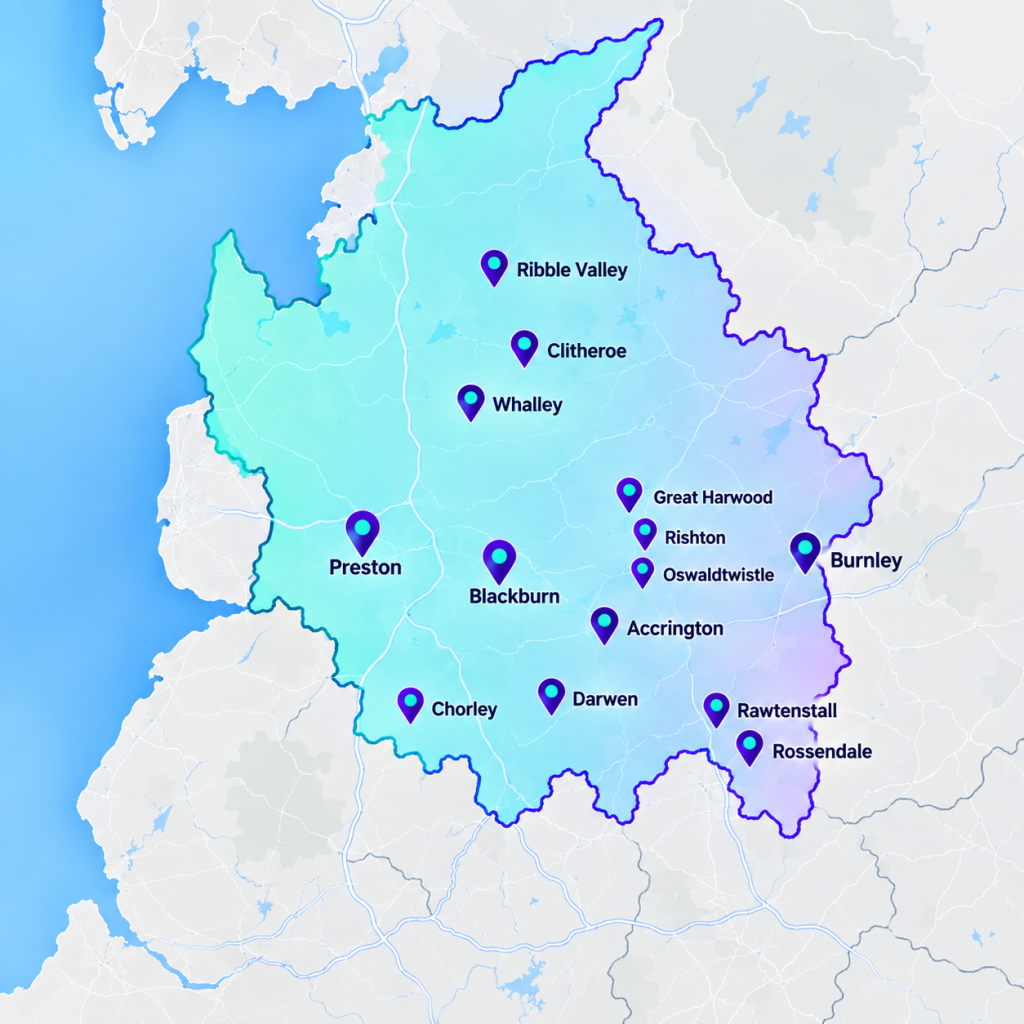
Lytham St Annes & the Fylde Coast
Areas We Cover
Based in: Lytham St Annes, covering the Fylde coast
Where We Are
Call: 01253 462362
Contact Details
Hours: 8am to 8pm, Monday to Saturday. Closed on Sunday
Fast Response
Prices: Drains unblocked from only £49. Clear, upfront quotes!
